

Integrate with the concrete surface
Concrete Staining
Austin, TX
Stained Concrete in Austin, TX — Why It Works Here
Austin’s climate and design culture make stained concrete one of the most practical decorative finishes available. With more than 300 days of sun per year, outdoor surfaces need color that stays — not paint or topcoats that peel and chalk under UV exposure. Stained concrete becomes part of the slab itself through a chemical or penetrating reaction, which means the color doesn’t sit on top waiting to fail.
Austin homeowners have also been drawn to stained concrete because of how naturally it fits the regional aesthetic. Warm earth tones — the deep browns, tawny ambers, and mottled terra cottas that acid staining produces — complement the limestone, cedar, and native stone that define Hill Country architecture. Water-based stains offer a broader palette for more contemporary builds, from cool grays to rich charcoals that work with the modern Austin look.
We’ve been staining concrete across Austin, Round Rock, Cedar Park, Georgetown, Kyle, and the surrounding area since 1986. In that time, we’ve worked on everything from original 1970s slabs in South Austin to brand-new pours in the outer suburbs. The slab changes; the approach doesn’t — thorough prep, the right system for the concrete and the climate, and a sealer that holds up in Texas sun.
What Is Concrete Staining?
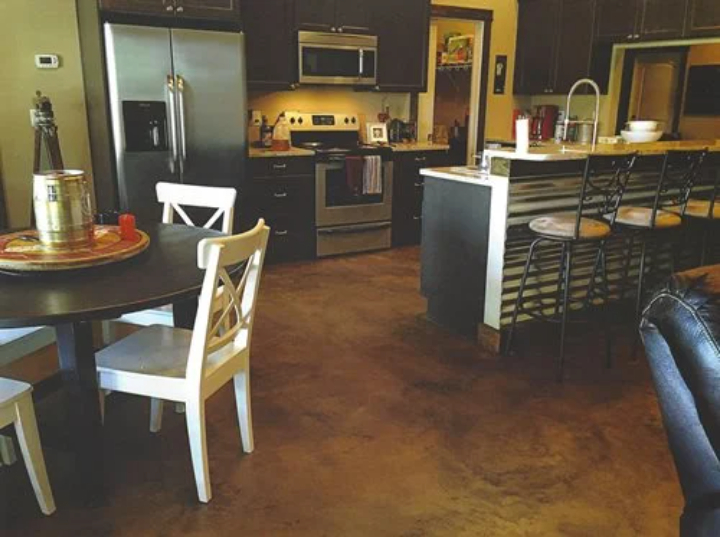
Concrete staining is a coloring process that enhances existing concrete by penetrating the surface and bonding within the substrate.
Unlike paint or thick coatings, professional stains:
Concrete staining is ideal when you want to upgrade appearance while maintaining the strength of the existing slab.
Why Austin Homeowners & Businesses
Choose Concrete Staining
Concrete in Central Texas faces:
Professionally installed staining systems, combined with proper sealing, protect color integrity and enhance longevity.
Staining is often more cost-effective than replacing decorative concrete while delivering a dramatic visual upgrade.
Our Concrete Staining Systems
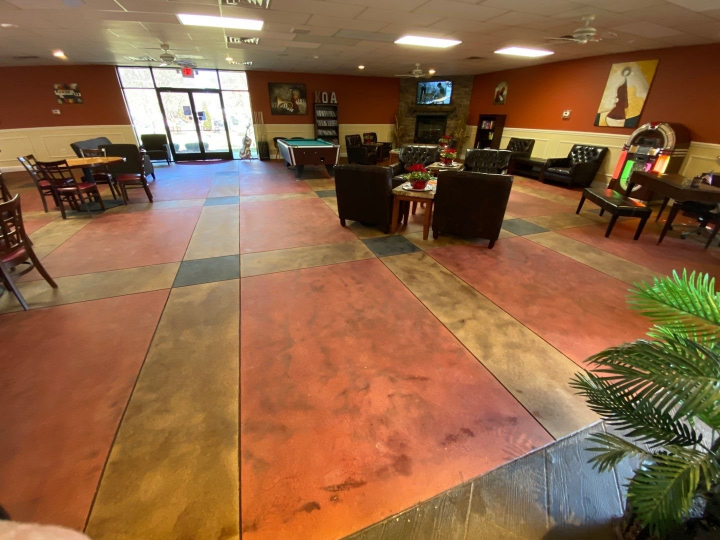
Different projects require different coloring technologies. We offer three primary staining systems depending on your design goals.
Acid Stained Concrete
Organic, natural color movement.
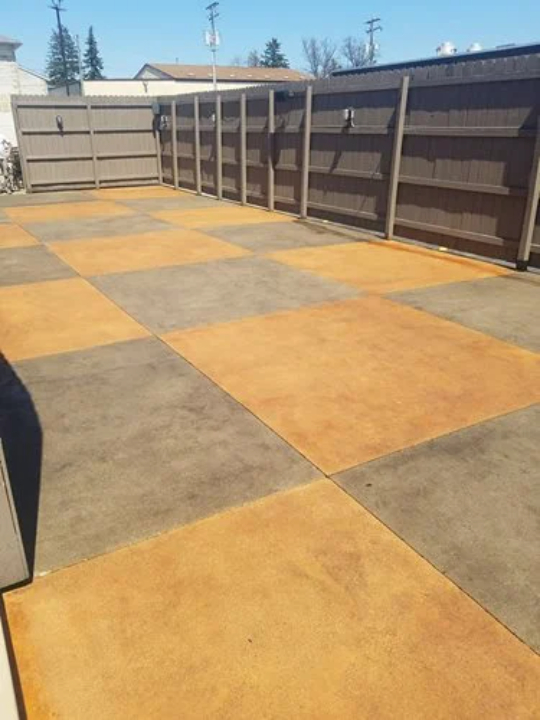
Acid staining with SunAcid creates marbled, stone-like finishes through a chemical reaction within the slab. Each installation is unique and produces natural tonal variation.
Best for:
- Earth-tone finishes
- Natural stone appearance
- Architectural interior floors
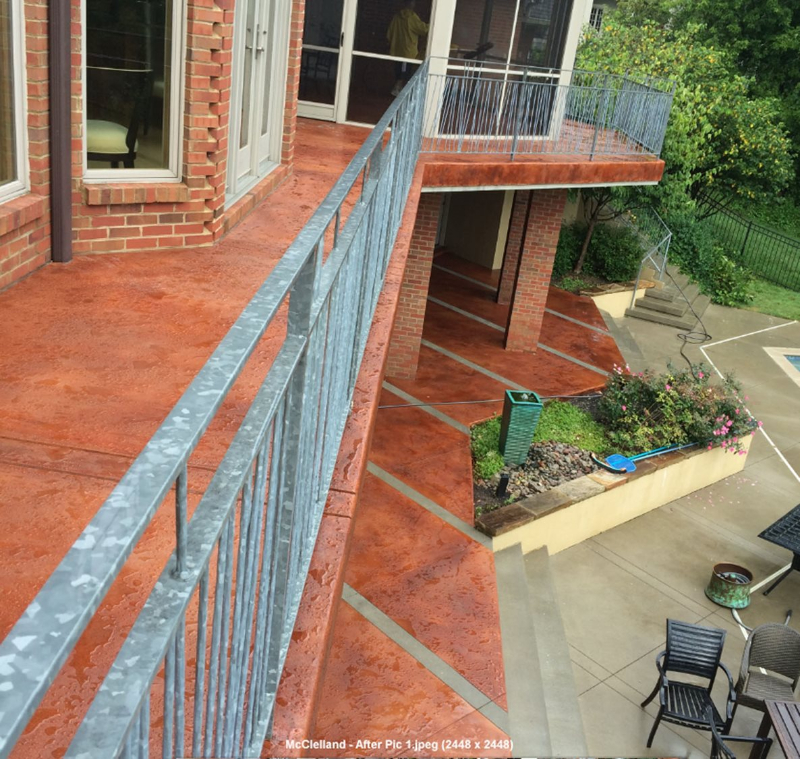
- Patios and pool decks
Water-Based Concrete Stain
Controlled, consistent
color.
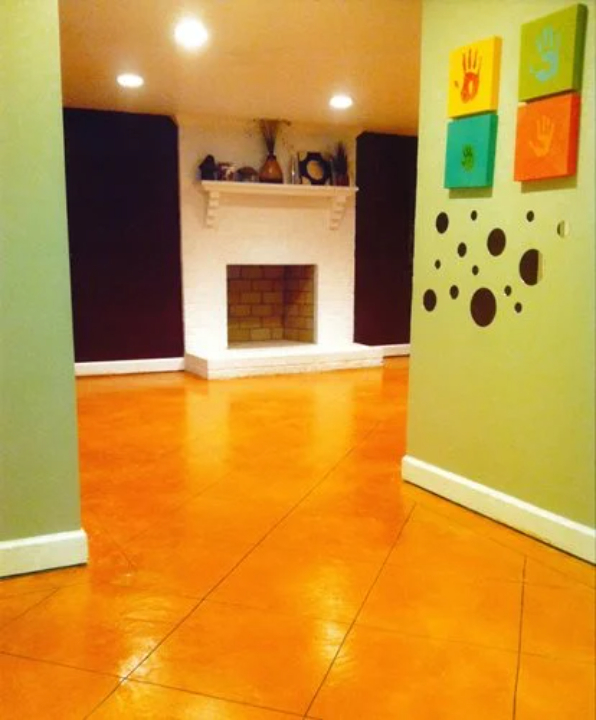
Water-based concrete stain provides predictable color results with lower odor and a broad designer palette. Ideal for residential and commercial projects requiring uniform color.
Best for:
- Pool deck color refresh
- Patio staining
- Interior floors
- Retail and hospitality environments
Concrete Dye Systems
Concrete dye offers vibrant, contemporary tones with faster drying times and flexible application options.
Best for:
- Modern interior spaces
- Retail floors
- Restaurants and commercial
- environments
- Projects requiring faster turnaround
Where Stained Concrete Is Used
Stained concrete works across nearly any surface — indoors and out. Here’s where we install it most often in the Austin area.
Interior Floors
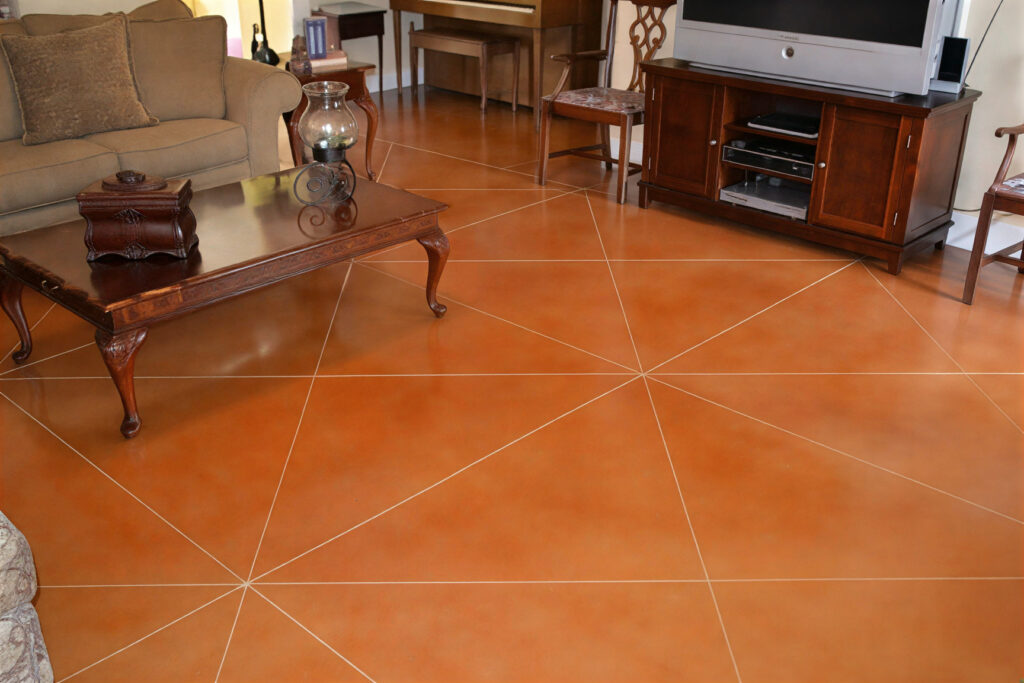
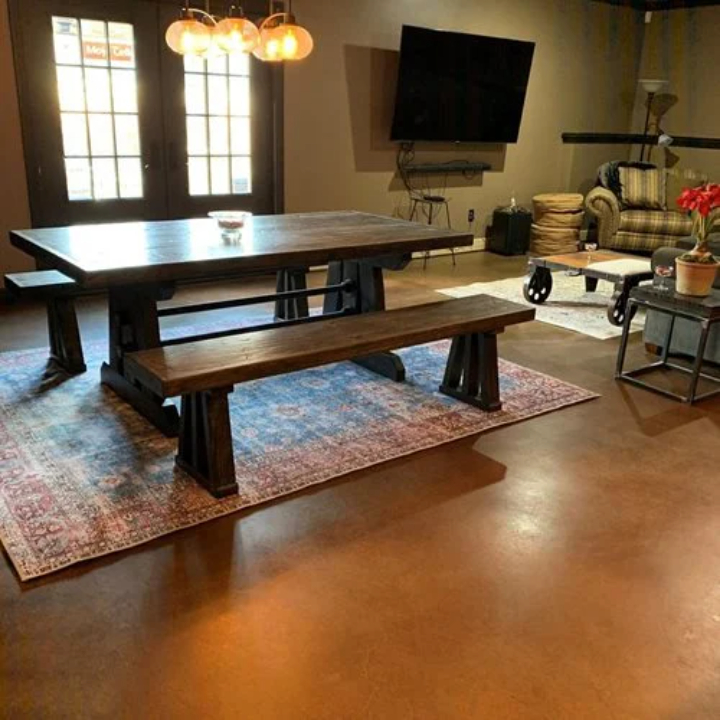
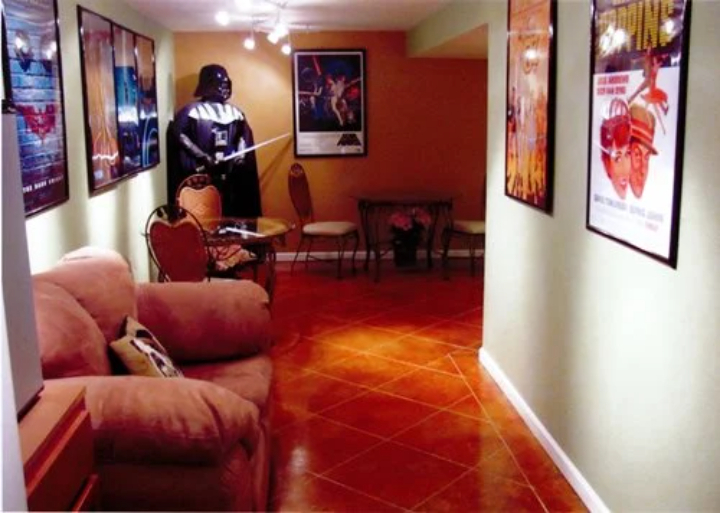
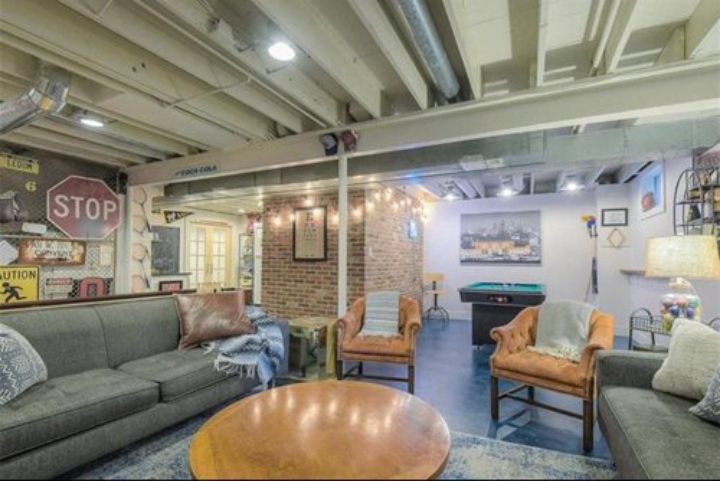
Concrete floors Austin homeowners choose for long-term performance often feature stained concrete because it’s one of the most durable and lowest-maintenance flooring options available. Homeowners who prefer a smooth, reflective finish may also consider polished concrete floors for modern residential and commercial interiors. Both options are warm underfoot, easy to clean, and can complement almost any interior design direction—from the rich, variegated tones of acid staining with SunAcid to the sleek, contemporary look of polished concrete or the consistent colors of water-based stains and dyes.
Patios & Outdoor Living Spaces
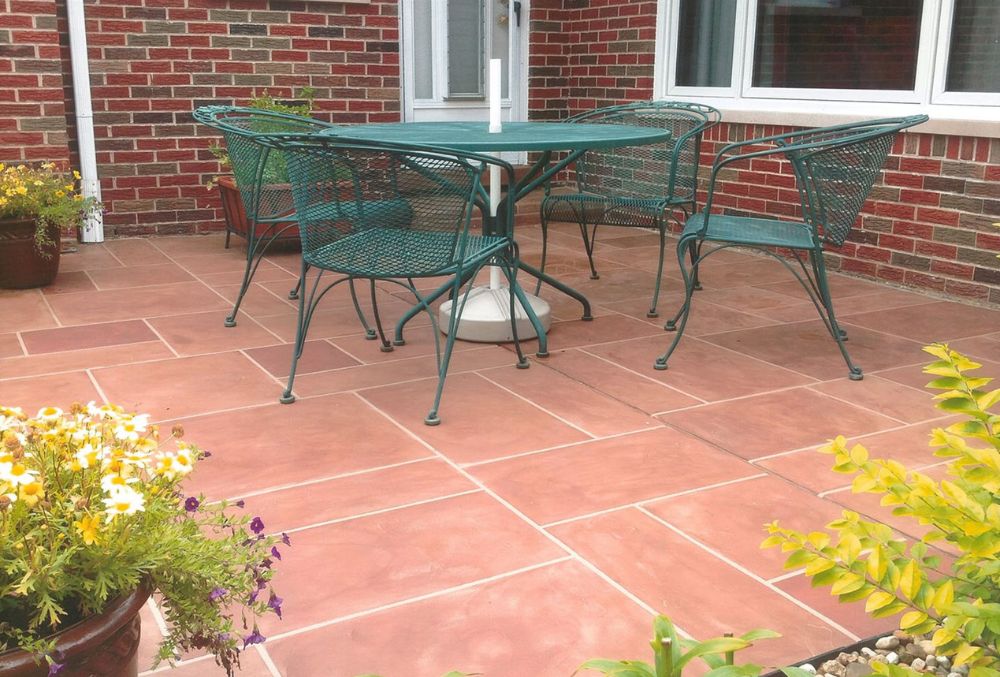
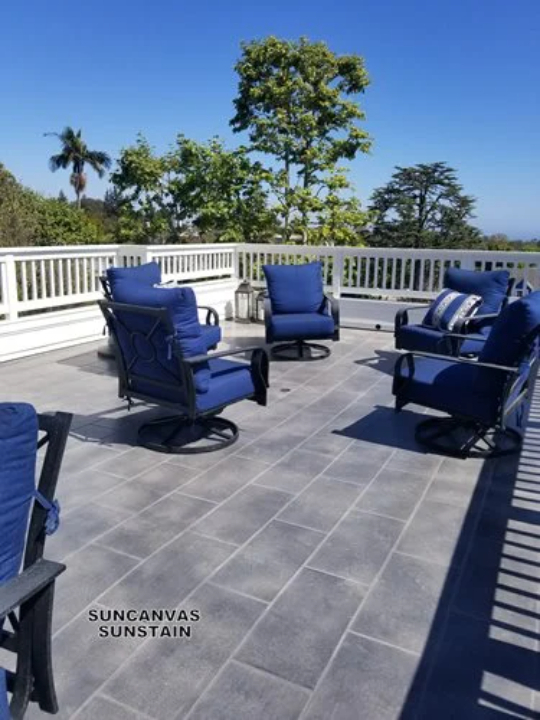
Austin’s indoor-outdoor living culture puts patios to work year-round. Stained concrete is an ideal patio finish because it tolerates heat, handles Austin’s occasional heavy rain, and holds color under direct sun exposure — especially when sealed with a UV-stable sealer. We can match or complement existing pool coping, flagstone borders, or exterior paint in the stain selection.
Driveways
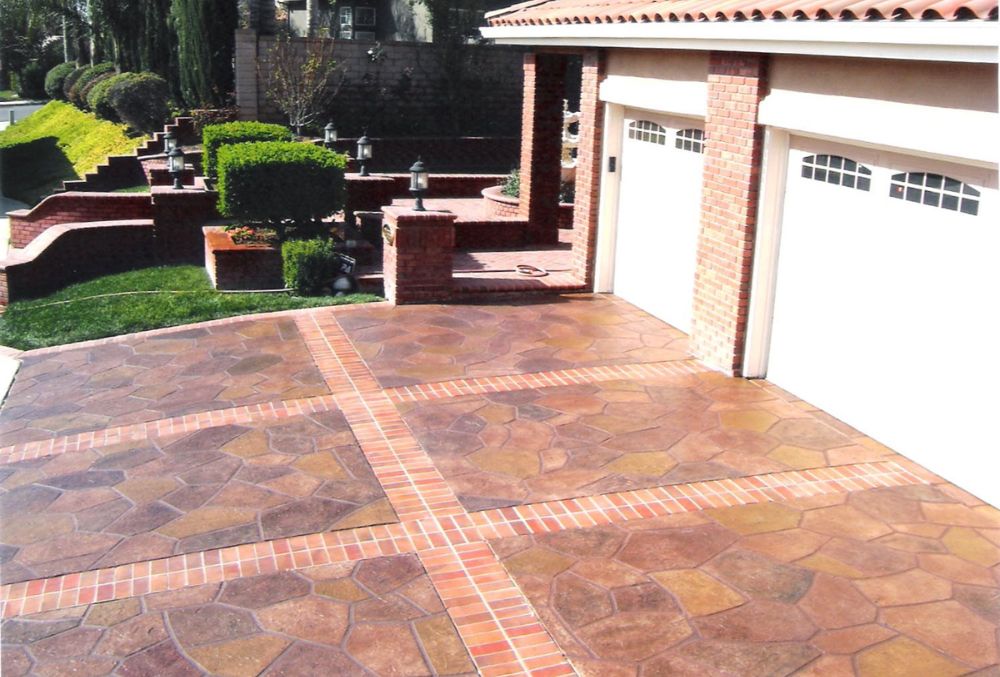
A stained concrete driveway does more than the standard brushed or broom finish. Color and subtle texture give the surface visual interest without the maintenance of pavers or the expense of brick
Pool Decks
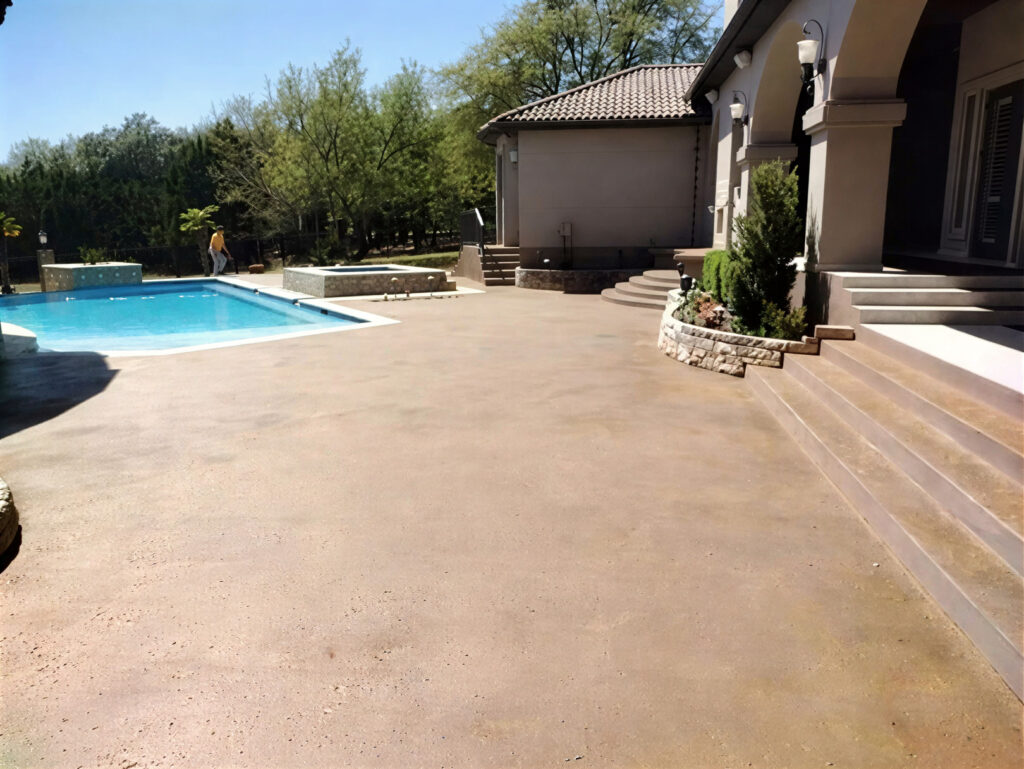
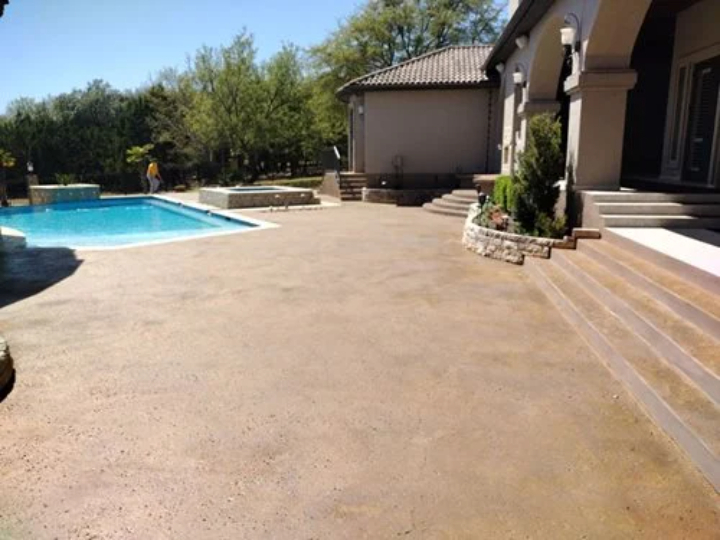
Stained concrete is a popular pool deck finish because it stays cooler underfoot than many alternatives and provides a clean, unified look around the water. Non-slip sealers are applied as standard. We’ve completed pool deck staining projects throughout Austin and the surrounding metro — including a recent project in San Marcos, TX.
Commercial Spaces
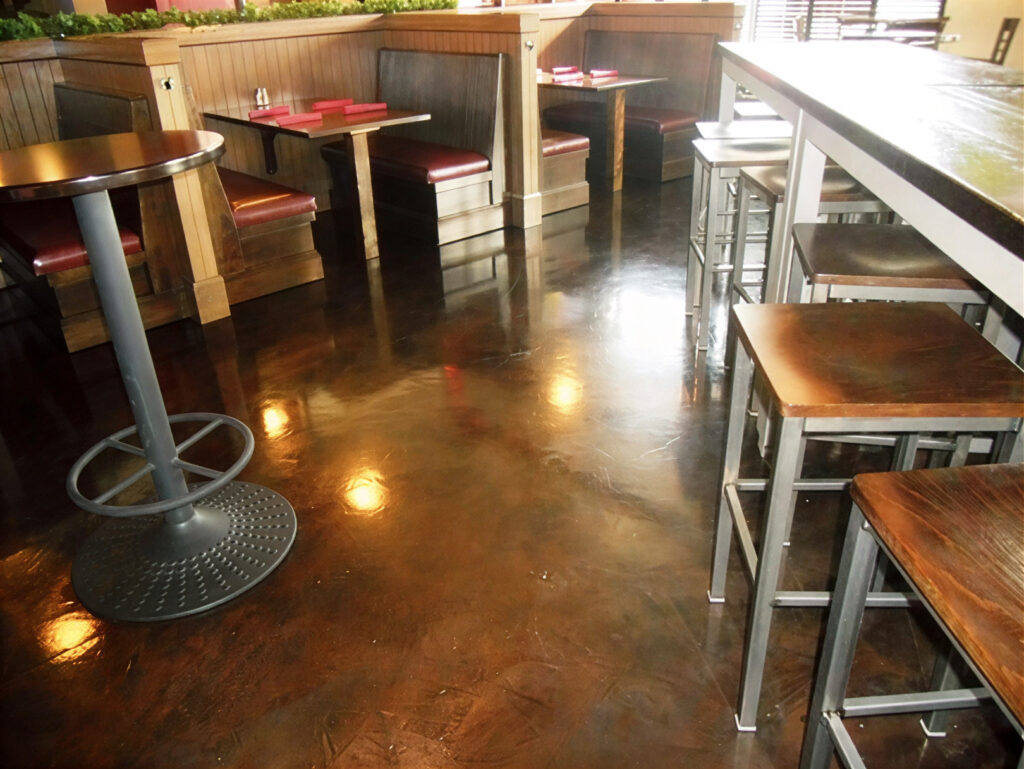
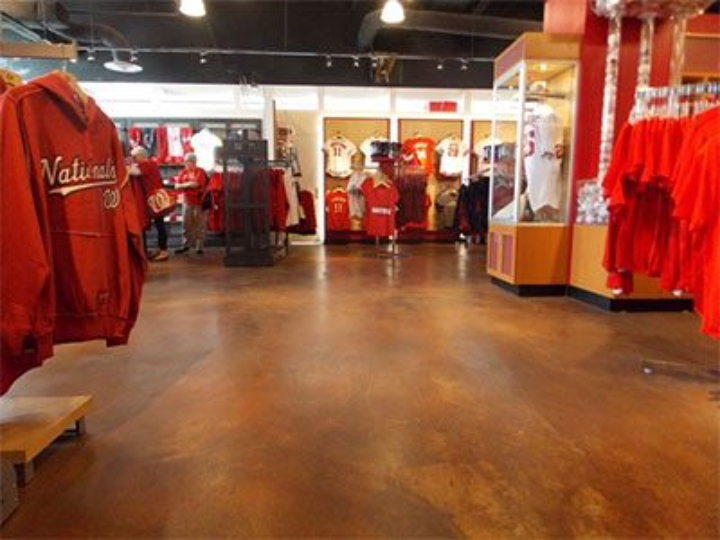
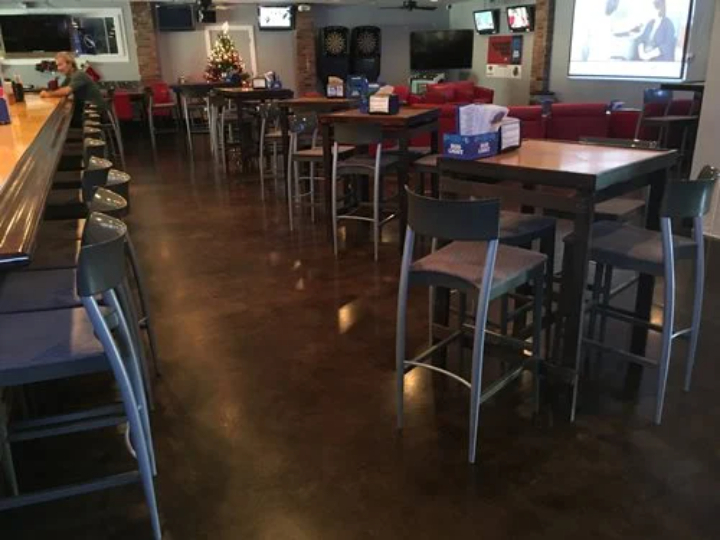
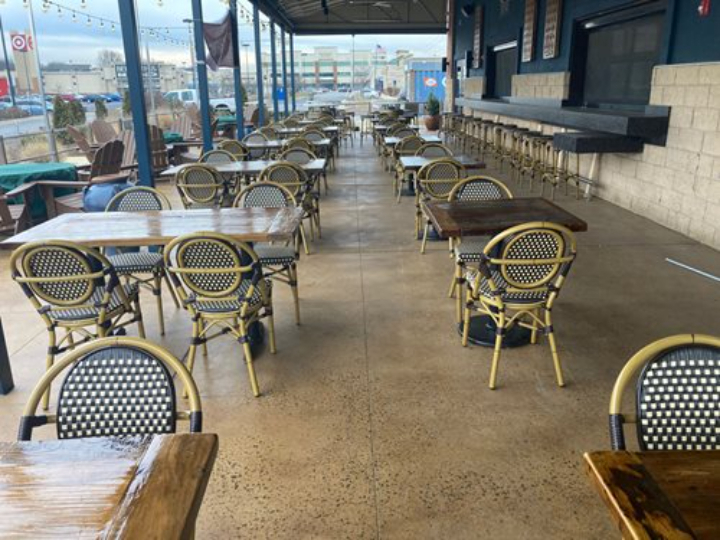
Retail floors, restaurant interiors, office lobbies, and commercial patios — stained concrete handles high foot traffic and is easy to maintain at commercial scale. All three of our staining systems are available for commercial applications.
The Concrete Staining Process
Proper preparation is critical for lasting results.
Our process typically includes:
We don’t simply apply color — we engineer it for performance.
Why Clients Choose Us
Concrete staining requires technical knowledge and surface expertise.
As part of the nationally recognized SUNDEK network, Sundek of Austin follows manufacturer-approved preparation and application standards.
Decorative concrete specialization
Knowledge of Austin’s climate conditions
Professional-grade protective sealers
Residential and commercial experience
Precision surface preparation
Stained Concrete in Austin, TX and Surrounding Areas
We serve the full Austin metro area for stained concrete installation and resurfacing. Whether you’re in the city proper or in the surrounding suburbs, our team brings the same level of work and the same SUNDEK systems to every project.
Service area includes: Austin, Round Rock, Cedar Park, Georgetown, Kyle, Pflugerville, Leander, San Marcos, Buda, Dripping Springs, and throughout Central Texas.
Concrete Staining Photo Gallery
Frequently Asked Questions
How much does stained concrete cost in Austin, TX?
Cost depends on the staining system, surface condition, and square footage. Water-based stains are generally the most affordable option, starting around $2–$4 per square foot installed. Acid staining ranges from $3–$7 per square foot for standard applications. Decorative dye work and custom multi-color designs run higher. Surface preparation — cleaning, crack repair, removal of old sealers — affects the final cost. Get a free estimate and we’ll walk through the options and pricing for your specific project
What's the difference between acid stain and water-based stain?
Acid stain (SUNDEK SunAcid) reacts chemically with the minerals in the concrete to produce permanent color. The result is mottled, variegated, and unique — no two acid-stained floors look exactly alike. Colors are typically earth tones: tans, ambers, browns, and deep greens or blues depending on the concrete’s mineral content.
Water-based stain (SUNDEK SunH2O) penetrates and bonds with the concrete surface without a chemical reaction. It produces more consistent, predictable color across a broader palette — including grays, charcoals, and contemporary tones. Water-based stains have lower odor and are easier to control in application. Both options are permanent and won’t peel or flake.
Can you stain existing concrete that's cracked or damaged?
Yes, in most cases — but surface condition matters. Minor hairline cracks and blemishes often become part of the finished look, especially with acid staining. Larger cracks or spalling should be repaired before staining to prevent the damage from telegraphing through the color. We assess every slab before starting and recommend repairs where they’re needed. If the concrete is heavily damaged or structurally unsound, a decorative concrete overlay may be a better fit than staining alone.
How long does stained concrete last outdoors in Austin?
Properly maintained stained concrete lasts 15–25 years on exterior surfaces. The stain color itself is permanent — it won’t peel or fade the way painted or topcoated surfaces do. What wears is the sealer on top, which protects the surface and enhances color depth. In Austin’s climate, plan to reseal exterior surfaces every 1–2 years, depending on sun exposure and foot traffic. Interior stained concrete requires less frequent resealing — typically every 3–5 years.
Is stained concrete good for interior floors in Austin?
It’s one of the best options available for Austin’s climate. Unlike hardwood, it doesn’t swell or gap with humidity changes. Unlike carpet, it doesn’t trap allergens. Unlike tile, there are no grout lines to maintain. Stained concrete is also a good choice for homes with radiant heating. See our concrete floors work →
How do you maintain stained concrete in Austin's climate?
For interior stained concrete: sweep or dry mop regularly and clean with a pH-neutral cleaner. Reseal every 3–5 years depending on traffic. Avoid harsh chemicals or abrasive cleaners that can break down the sealer.
For exterior stained concrete: Austin’s UV intensity means the sealer does the most work. Light pressure washing is fine for routine cleaning. Reseal every 1–2 years for full-sun surfaces; every 2–3 years for shaded or covered areas. A fresh sealer coat is the most effective way to restore color vibrancy if the surface starts to look dull.
Is stained concrete slippery?
Unsealed stained concrete has natural texture and is not inherently slippery. The sealer applied on top can reduce traction, particularly on wet exterior surfaces. We add a non-slip aggregate to all exterior sealers as a standard step — not an add-on. For interior applications such as kitchens, bathrooms, or entryways, we can adjust the finish for appropriate slip resistance.
Can stained concrete be applied over previously stained or sealed concrete?
It depends on the condition of the existing surface. If the current sealer is intact and well-bonded, it typically needs to be stripped before new stain can penetrate. We test surface porosity on every project before recommending an approach. In some cases where staining isn’t viable — for example, if the existing surface is painted or coated — an overlay system that can then be stained is the better route
Ready to get started?
Get a free estimate or call us at 512-928-8000. We'll evaluate your slab, walk you through the staining options, and give you a clear picture of what the finished surface will look like.